
This title is exactly as described; it provides an excellent and practical guide to exploring family history. Just a few of the many things that a reader can find out from this book include learning how to research land records, learning what can be found out from a “binding order” and ways to listen to the music of one’s cultural heritage. Each section of this book is short and practical. I think that this book will be useful to many and , most especially, to those who are just beginning their exploration.
Many thanks to NetGalley and the publisher for this title in exchange for an honest review.
#PracticalGenealogy #NetGalley

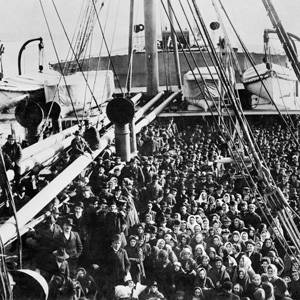
Research Naturalization RecordsWith the exception of Native Americans, the United States is a country of immigrants—many of whom eventually became citizens. Unless you’re researching Native American ancestors, at some point you’ll need to access immigration and naturalization records. These documents will give you interesting insights into details such as whether your ancestors traveled alone or with family members and how old they were when they made the journey. |
Find and Review Passenger Ship LogsPassenger ship logs are a rich source of information about your ancestors. While not always easy to locate, these logs are worth the effort. What job did your immigrant fourth great-grandparents have back in their native Palermo, Italy? How old were they when they arrived? Did your third great-grandmother Janie arrive in Baltimore on her own or with her parents and siblings? Passenger ship logs just might have the answers. |
Explore Marriage RecordsLocal laws usually required that marriages be recorded in civil records, regardless of whether a civil or church authority performed the ceremony. Typically, the clerk of the town or county where the bride resided stored the marriage record. However, marriage records—particularly early ones—can also be housed in state archives. You can find more recent marriage documents in a state’s Vital Records Division. |

 Joyce's mystery and fiction book reviews with some non-fiction too!