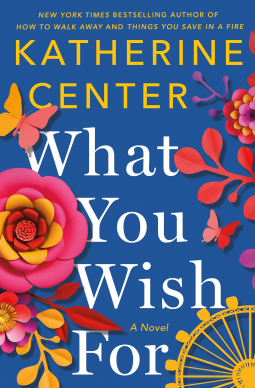
 So many readers adore the books by this author that I feel almost as if no review is necessary. All loyal fans need to see is her name on the title of the book.
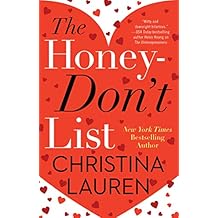
This is the third book that I have read by this author. My favorite is still How to Walk Away, although What You Wish For is certainly an enjoyable read.
I liked the setting of this book, both the Texas location and the vibrant, joyous school where narrator Sam is the librarian. This novel is primarily about Sam and Duncan with attention paid also to those around them. The two knew each other in the past when Sam had a crush on the flamboyant, exuberant Duncan. Sam is now at a new school and guess who the new principal is? (I’m sure that no guess is needed). But why is Duncan so different? Will he and Sam connect again? Even if you feel you know the answers, this book is a good one to laze around with on a summer’s day. Its message of taking as much joy in life as possible, despite life’s difficulties, is an affirming one.
On NetGalley, there are 1576 reviews and counting with readers all liking the book. These are the biggest numbers that I have seen on the site. I think that readers who buy this book will enjoy it too!
Many thanks to NetGalley and the publisher for this title in exchange for an honest review.
pub date: July 14, 2020
 For those who are looking for something fun to do and who are bored with some of their overused covid entertainments, why not try drawing? This book does exactly what it says; it shows you how to draw animals, plants, people, architecture and more in just a few steps. This is a fun guide for both kids and beginning artists.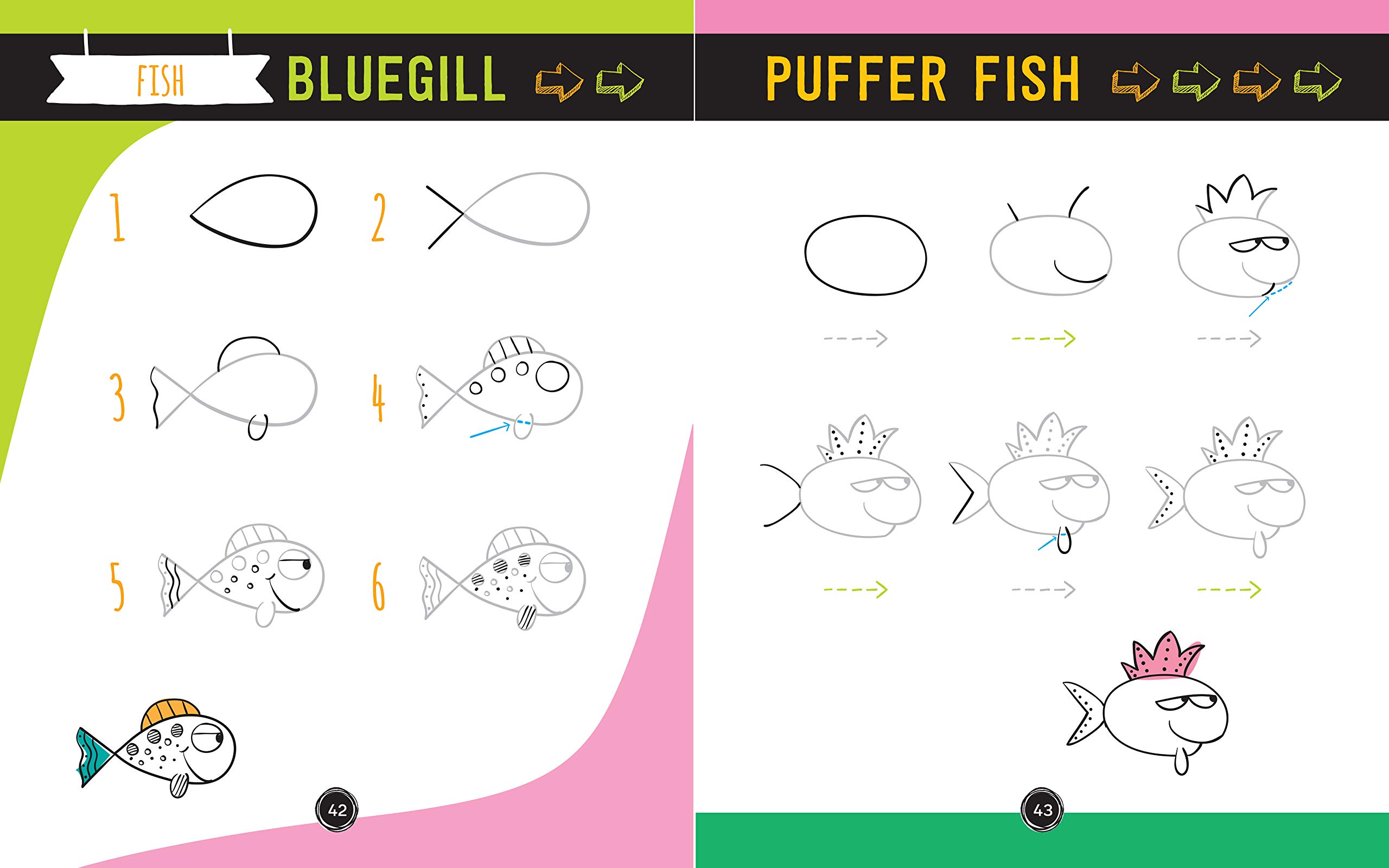




 The author of this adorable book tells readers early on that the word Kawaii roughly translates as “cuteness.” Well, the doodles that you can make from this book are just that. It is a feel good collection that I highly recommend. Learn how to make the sweet, whimsical doodles. Enjoy a few tricks; for example, think about where to place the two dots for eyes and the smile. Whether you like to draw or not, this title will bring a smile to your face.
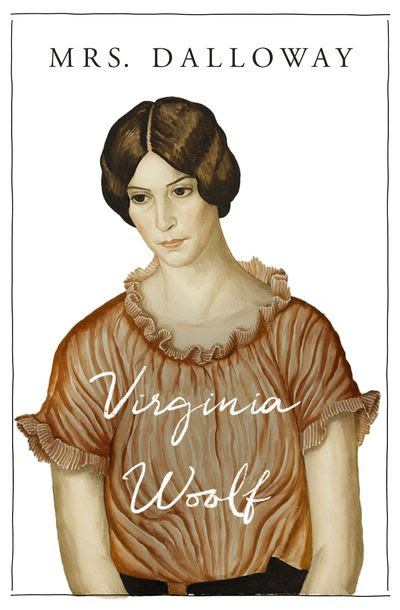
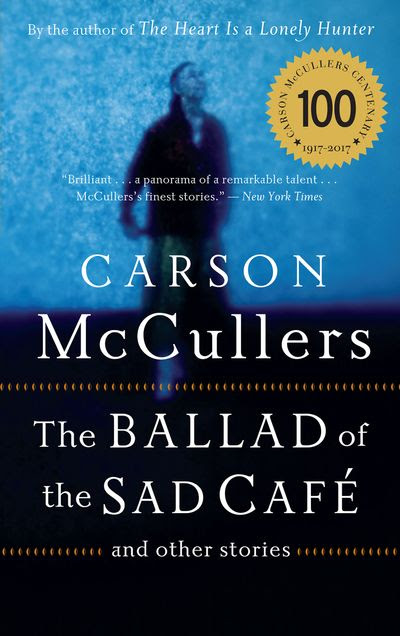
 Mrs. Dalloway is a book that improved on each reading of it that I undertook. It is free today. I enjoyed the Candace Robb title that is the beginning of a series. Long Flight Home has an interesting take on a WWII novel: carrier pigeons. Enjoy.


